
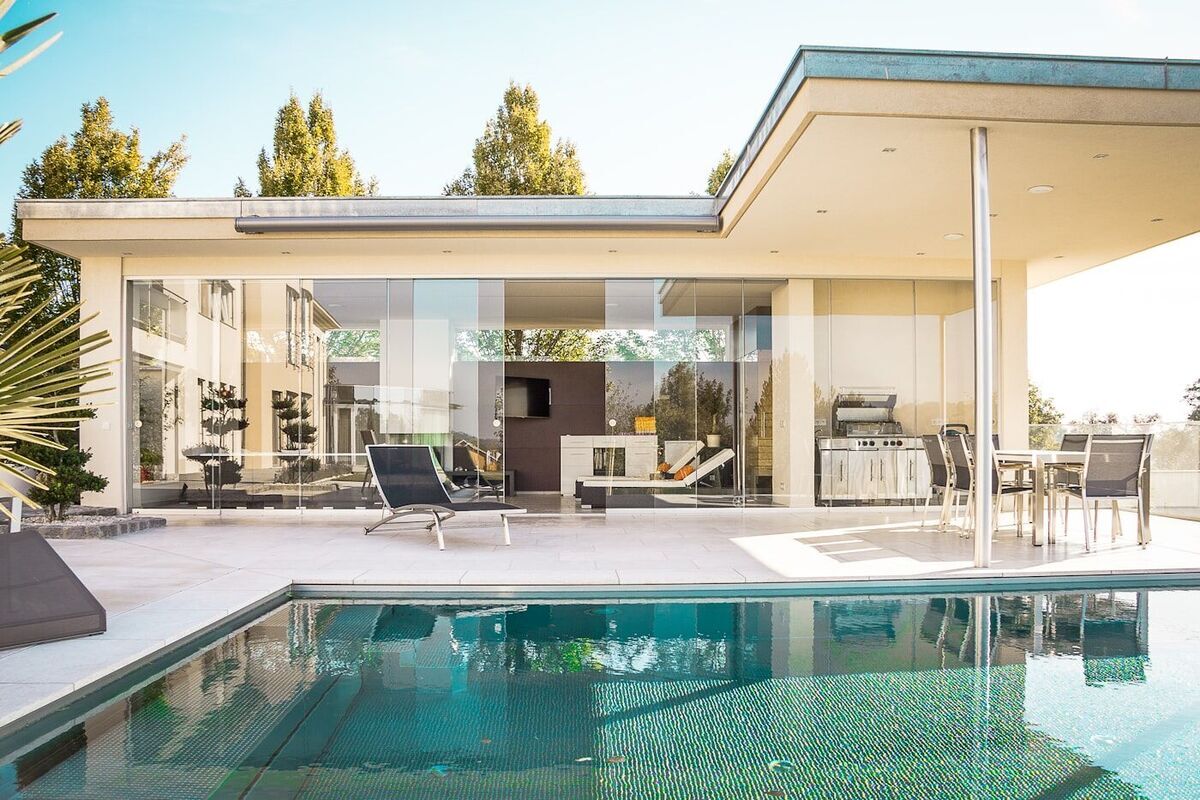
Preparing to sell: what actually matters

Preparing a home for sale is less about making it look like someone else's house and more about making it easy for a buyer to picture living there. The work you do before the first open home shapes how many people come through, how long they stay, and how seriously they take the price.
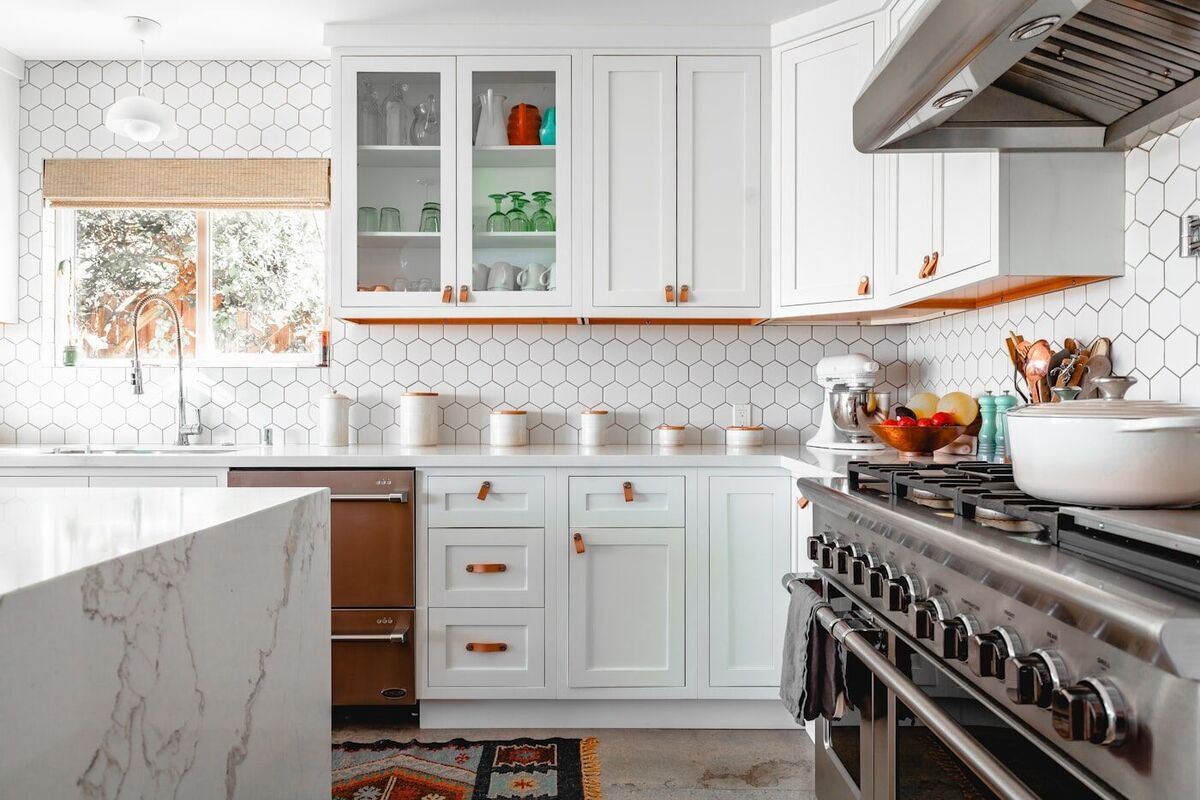
Start with the things every buyer will notice in the first five minutes: the approach to the front door, the smell when they walk in, the light in the main living areas, and whether the house feels cared for. A tidy section, clean windows, working lights and a kitchen that looks ready to use do more for a campaign than a late cosmetic renovation that leaves dust and unfinished edges.
What is usually worth doing
Deep clean the whole house, including bathrooms, oven, rangehood filters, wardrobe interiors and the garage. Fix dripping taps, sticky doors, loose handles and anything else that says deferred maintenance. Replace blown bulbs. Mow the lawns, edge the paths and clear gutters if they are full. If a room needs paint and the colour is dated or badly marked, a neutral refresh can help. If the paint is already sound, leave it.
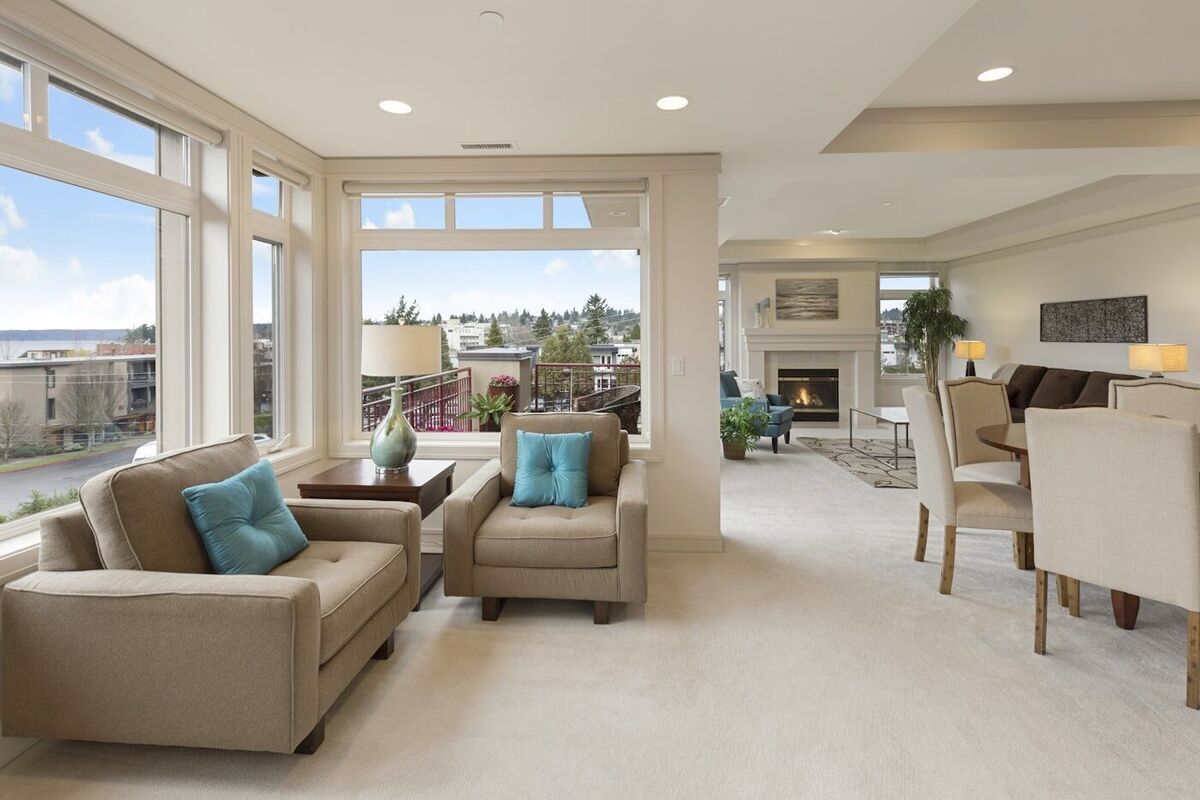
Declutter hard. Buyers need to see floor area, cupboard space and how furniture might sit. Pack away personal collections, excess furniture and anything that makes a room feel smaller than it is. Storage off-site for a few weeks is often cheaper than a price reduction caused by a cramped first impression.
Get the paperwork ready early. Buyers and their solicitors will ask for the record of title, any LIM the vendor already holds, building reports you have, code compliance certificates for work that needed consent, and details of any tenancy if the property is rented. Having these ready shortens the path from interest to an offer.
What to leave alone
Do not start a major renovation just because you are selling. Half-finished kitchens, open walls and wet paint kill momentum. Do not stage with furniture that hides damp, cracks or uneven floors. Do not invent a lifestyle story that the house cannot support. Buyers walk the property with a critical eye, and most of them will come back with a builder or a friend who has bought before.
Be careful with chemical smells. Overpowering cleaners and air fresheners make people wonder what is being covered up. Fresh air and a clean surface beat fragrance every time.
Before you choose a method of sale
Preparation and method of sale belong together. A house that still needs work may suit a longer campaign with clear disclosure. A house that is ready to move into can support a tighter campaign. Talk through both with a licensed salesperson before you spend money on styling or photography.
An appraisal from a licensed salesperson is free, carries no obligation, and is an opinion of likely selling price supported by comparable sales. It is not a registered valuation. Banks often require a registered valuation later in a purchase, and that is a separate, paid document. Ask for the comparable sales behind any figure you are given, and use that conversation to decide what preparation is actually worth doing on your property.
This is general information about preparing a home for sale in New Zealand. It is not advice about your particular property. For legal questions about title, consents or disclosure, speak to your solicitor.